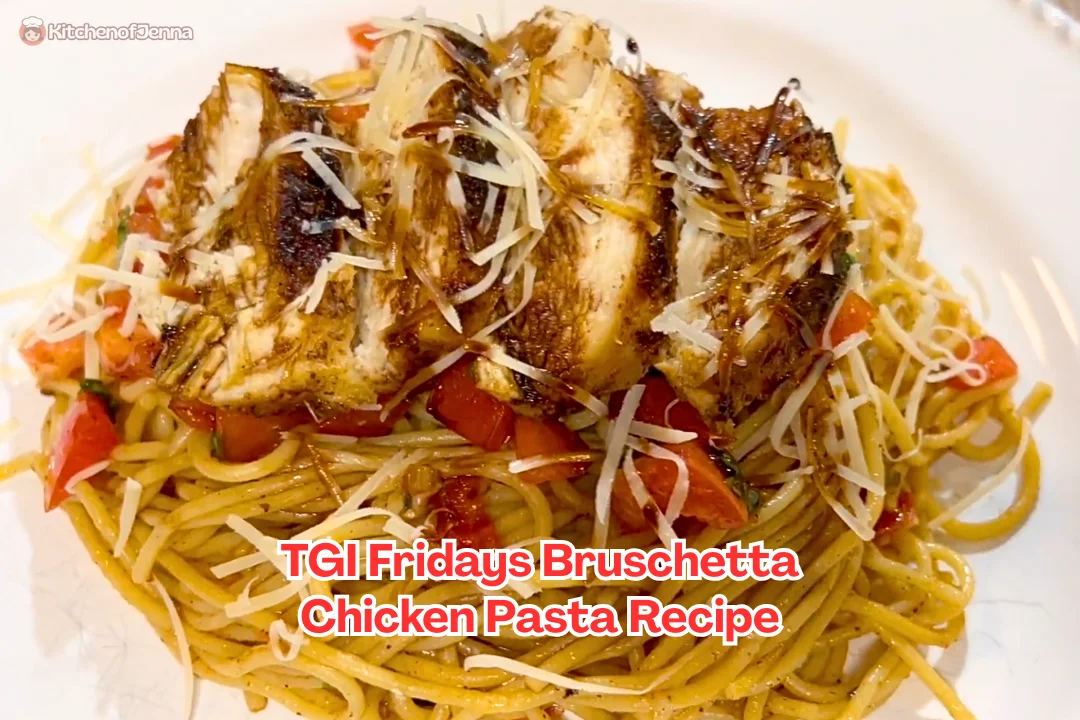
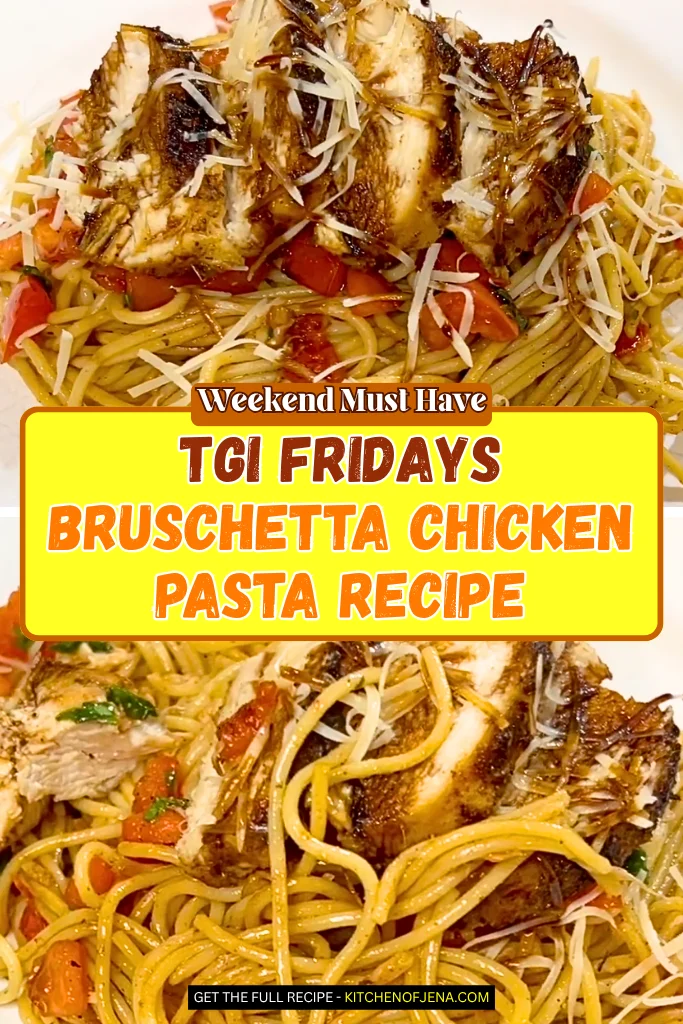
TGI Fridays Bruschetta Chicken Pasta Recipe (Must Have at Weekend)
Growing up, TGI Fridays was the restaurant my family picked for celebrations — good report cards, birthdays, the works. My brother and I would fight over the crayons on the paper placemat while we waited, but once the food showed up, I only ever wanted one thing: the Bruschetta Chicken Pasta.
I still remember scraping the plate clean after weekend swim practice, starving, convinced nothing had ever tasted better.
These days, when I stop by TGI Fridays for old time’s sake, the dish never quite lives up to my memory — the sauce feels thinner, the chicken skimpier, the tomatoes an afterthought.
So I started making my own version of TGI Fridays Bruschetta Chicken Pasta Recipe at home, using ripe Roma tomatoes, real shredded Parmesan, and chicken I season myself instead of whatever comes pre-seasoned from a bag.
This homemade TGI bruschetta chicken pasta tastes closer to the one I grew up loving, and it’s easy enough to pull off on a weeknight. Make it once, and you’ll wonder why you ever paid restaurant prices for it.
What Pasta and Part of Chicken Should I Choose?
I use thin spaghetti and boneless, skinless chicken breasts for this recipe because they cook easily and give you that classic restaurant-style presentation.
Fettuccine also works well if you like wider noodles that hold onto the Parmesan and pan juices.
For the chicken, I prefer breasts because they are easy to slice and give you those nice strips across the pasta. If your chicken breasts are very thick, butterfly them or gently pound them to an even thickness.
You can also use boneless, skinless chicken thighs, but they will have a richer flavor and slightly different texture.
Reasons I’m Obsessed Making This TGI Fridays Bruschetta Chicken Pasta
It costs a fraction of the restaurant price. You’re feeding a whole family for close to what one restaurant portion costs.
The bruschetta tastes fresher. Diced Roma tomatoes tossed minutes before serving beat anything that’s been sitting in a restaurant kitchen.
You control the balsamic glaze. I can make mine as sweet or as sharp as I want, which the restaurant version never quite nails.
It reheats like a dream. Leftovers taste just as good the next day, which almost never happens with restaurant pasta.
It’s a genuine date-night dinner. This looks like something from a nice Italian restaurant, but it comes together with pretty basic pantry staples.
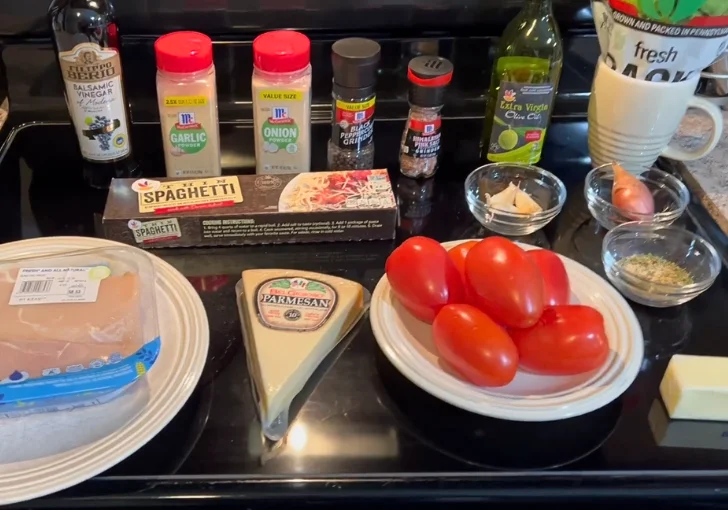
TGI Fridays Bruschetta Chicken Pasta Ingredients
For the Bruschetta
6 Roma tomatoes, diced — Roma tomatoes hold their shape and don’t turn watery like beefsteak tomatoes can. Dice them small so every bite of pasta gets a little bit of bruschetta.
3 tablespoons olive oil — Use a good extra-virgin olive oil here since it’s doing double duty as flavor, not just cooking fat.
2 tablespoons balsamic vinegar — This brightens the tomatoes and ties them into the glaze flavor you’ll drizzle on later.
¼ cup fresh basil, finely chopped — Fresh is non-negotiable in this spot. Dried basil just doesn’t give you that same fresh, peppery bite.
½ teaspoon kosher salt — Kosher salt dissolves evenly and won’t oversalt the tomatoes the way table salt can.
¼ teaspoon black pepper — Freshly cracked, if you have it.
For the Chicken
2 large boneless, skinless chicken breasts, about 1½ pounds total — Look for breasts that are roughly the same size so they cook at the same rate.
1½ teaspoons Italian seasoning — A store-bought blend works great, or use the homemade version below if your spice cabinet is running low.
½ teaspoon garlic powder — Layers in savory depth before the fresh garlic even hits the pan.
½ teaspoon onion powder — Rounds out the seasoning without adding texture.
½ teaspoon kosher salt and ¼ teaspoon black pepper — Basic, but essential.
1 tablespoon olive oil — Helps the seasoning stick and gives the chicken a nice sear.
For Cooking the Chicken and Pasta
2 tablespoons butter — Real butter, not margarine. It’s what gives that pan sauce its richness.
1 tablespoon olive oil — Keeps the butter from burning too quickly.
1 small shallot, finely chopped — Milder and sweeter than onion, and it’s what I notice most in the restaurant version.
3 garlic cloves, minced — Fresh garlic only here; the jarred kind won’t give you the same punch.
1 pound thin spaghetti or fettuccine — See my note above on choosing your noodle.
1 tablespoon salt, for the pasta water — Don’t skip this. Salted pasta water seasons the noodles from the inside out.
1 cup freshly shredded Parmesan cheese, plus extra for serving — Shred it yourself off a block if you can. Pre-shredded Parmesan has anti-clumping additives that keep it from melting smoothly.
For the Balsamic Glaze
½ cup balsamic vinegar — A mid-range bottle works fine; save the fancy aged stuff for drizzling on salads.
½ teaspoon granulated sugar — Balances the vinegar’s sharpness as it reduces.
Homemade Italian Seasoning
If you don’t have a premade Italian seasoning blend, use:
- ½ teaspoon dried parsley
- ½ teaspoon dried oregano
- ¼ teaspoon dried thyme
- ¼ teaspoon dried rosemary
- ¼ teaspoon garlic powder
- ¼ teaspoon onion powder
- ⅛ teaspoon red pepper flakes
You can mix these together and use 1½ teaspoons of the blend to season the chicken.
Kitchen Equipment Needed for This Recipe
- Large skillet – For cooking the chicken and finishing the pasta.
- Large pot – For boiling the spaghetti or fettuccine.
- Medium mixing bowl – For preparing the bruschetta tomatoes.
- Small saucepan – For reducing the balsamic glaze.
- Tongs – Makes tossing the pasta much easier.
- Sharp chef’s knife – For dicing tomatoes, chopping basil, and slicing chicken.
- Cutting board – Keep one board available for vegetables and another for raw chicken if possible.
- Instant-read thermometer – The easiest way to confirm the chicken reaches 165°F.
How To Make TGI Fridays Bruschetta Chicken Pasta
Step 1 | Prepare the Bruschetta Tomatoes
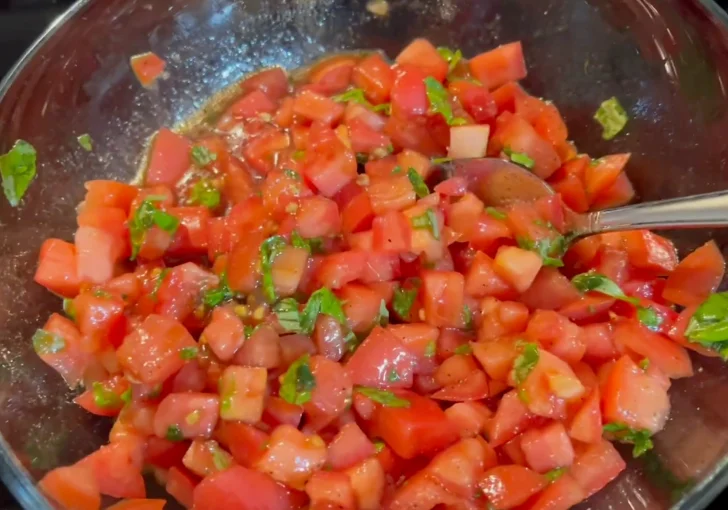
Dice the Roma tomatoes into small, bite-size pieces and place them in a medium bowl. Add 3 tablespoons olive oil, 2 tablespoons balsamic vinegar, ¼ cup chopped fresh basil, ½ teaspoon kosher salt, and ¼ teaspoon black pepper.
Stir gently until the tomatoes are evenly coated. Set the bowl aside so the tomatoes can sit while you prepare the rest of the dish.
Step 2 | Boil the Pasta
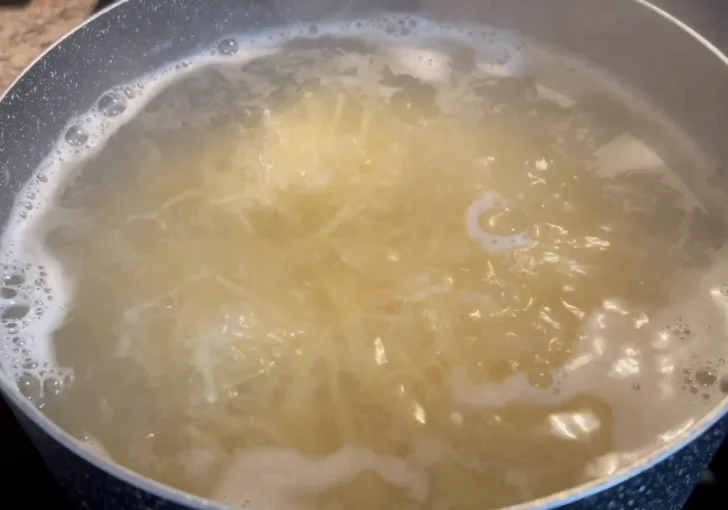
Bring a large pot of water to a boil and add 1 tablespoon salt. Add the thin spaghetti and cook according to the package directions until al dente. Stir the pasta occasionally so it cooks evenly. Once finished, drain the pasta well and set it aside.
Step 3 | Season the Chicken
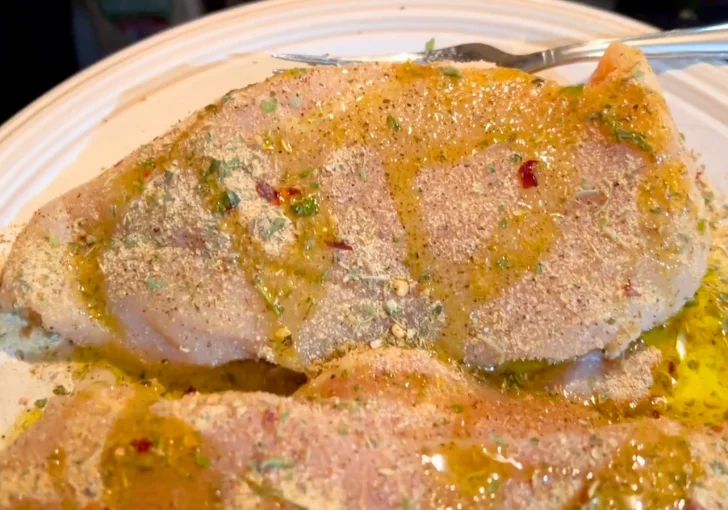
Pat the chicken breasts dry with paper towels. Season both sides evenly with 1½ teaspoons Italian seasoning, ½ teaspoon garlic powder, ½ teaspoon onion powder, ½ teaspoon kosher salt, and ¼ teaspoon black pepper. Drizzle 1 tablespoon olive oil over the chicken and rub the seasoning into both sides.
Step 4 | Cook the Chicken
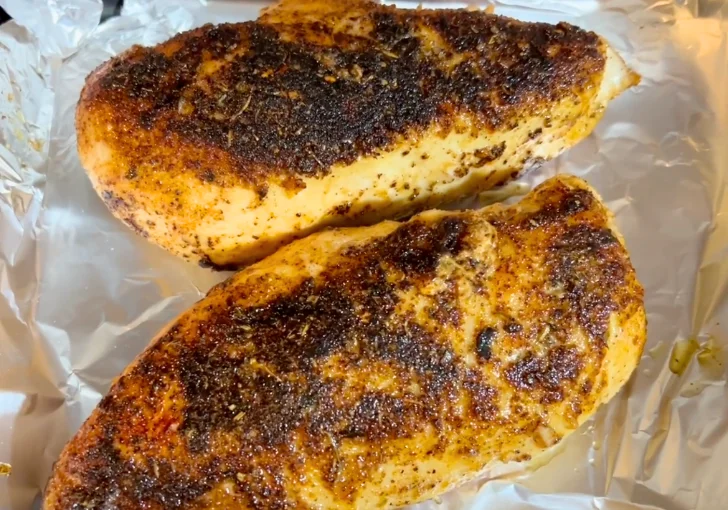
Heat a large skillet over medium heat. Add 1 tablespoon olive oil and 2 tablespoons butter. Once the butter has melted and the pan is hot, place the chicken breasts in the skillet. Cook for about 5–7 minutes per side, depending on thickness, until the chicken is golden on the outside and reaches 165°F in the thickest part.
Step 5 | Keep the Chicken Warm
Transfer the cooked chicken to a plate and loosely cover it with foil. If you need to keep it warm while finishing the pasta, place the covered chicken in a 200°F oven. Keep the cooking skillet as-is because the browned bits and chicken drippings will add flavor to the pasta.
Step 6 | Make the Balsamic Glaze
Add ½ cup balsamic vinegar and ½ teaspoon sugar to a small saucepan. Bring it to a boil over medium-high heat, then reduce the heat slightly and let it simmer until the vinegar reduces to a thick, glossy glaze that coats the back of a spoon. This usually takes about 6–10 minutes. Remove from the heat and set aside.
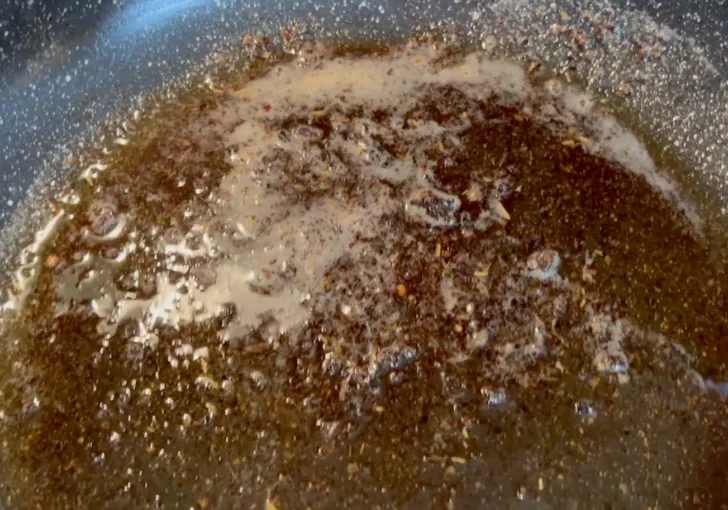
Step 7 | Cook the Shallot and Garlic
Return to the skillet used for the chicken. Add the chopped shallot and minced garlic to the remaining butter, oil, and chicken drippings. Cook over medium heat for about 3 minutes, stirring often, until the shallot becomes soft and the garlic is fragrant. If the skillet looks dry, add another tablespoon of olive oil.
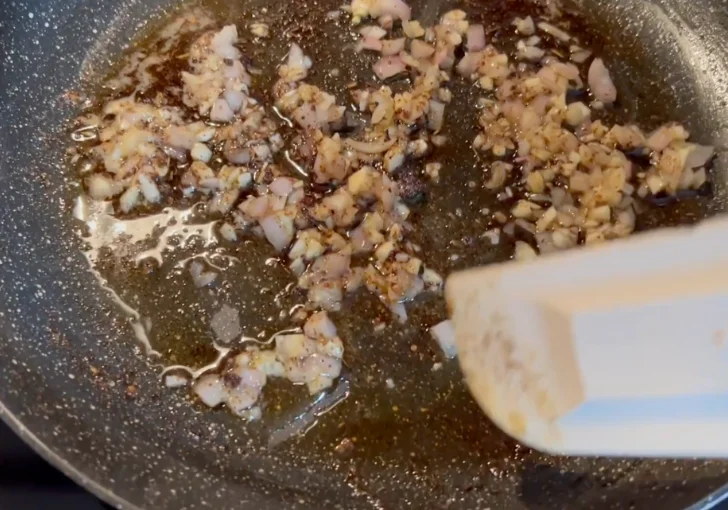
Step 8 | Add the Bruschetta Mixture
Add about 1 cup of the prepared tomato mixture to the skillet with the shallot and garlic. Stir gently and cook for about 1–2 minutes. Keep the remaining tomato mixture aside for layering over the finished pasta.
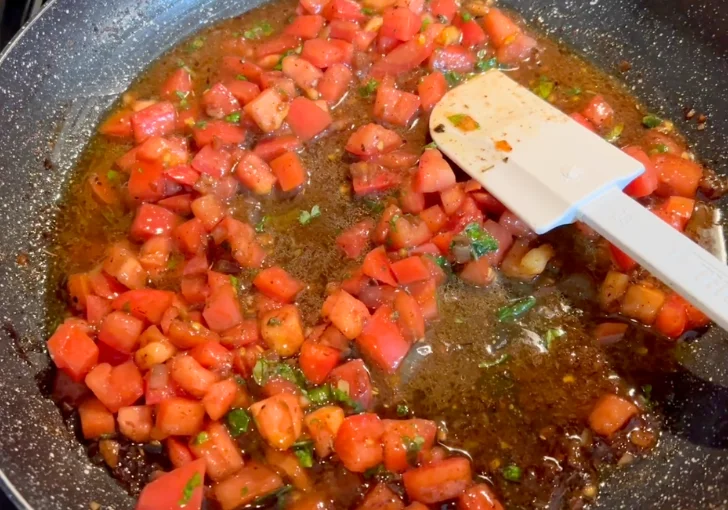
Step 9 | Toss in the Pasta
Reduce the heat to low. Add the drained spaghetti to the skillet and toss until the noodles are evenly coated with the tomato, garlic, shallot, and pan juices. Keep tossing gently for about 1–2 minutes so the flavors work into the pasta without overcooking the tomatoes.
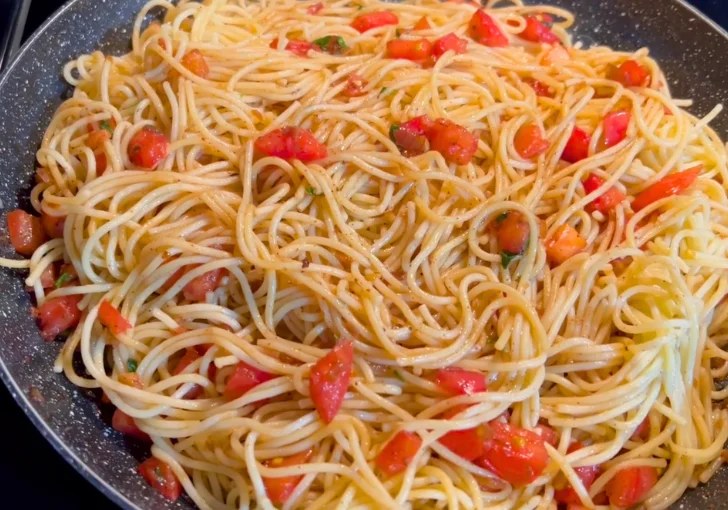
Step 10 | Add the Parmesan
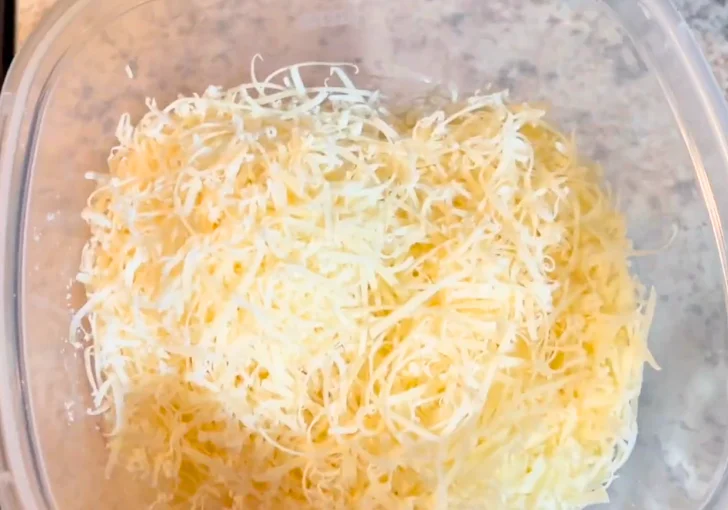
Add 1 cup freshly shredded Parmesan cheese to the warm pasta. Toss until the cheese is evenly distributed and starts to melt into the noodles. Keep the heat on low or turn it to warm while you finish the chicken.
Step 11 | Slice the Chicken
Slice the cooked chicken breasts into thin strips or bite-size pieces. Cutting the chicken after it has rested helps keep the slices juicy instead of letting the juices run out immediately.
Step 12 | Layer the Pasta and Bruschetta
Place a generous serving of the Parmesan pasta on each plate. Spoon the remaining fresh bruschetta tomato mixture over the top of the noodles. The fresh tomato mixture adds a bright contrast to the warm pasta.
Step 13 | Add the Chicken
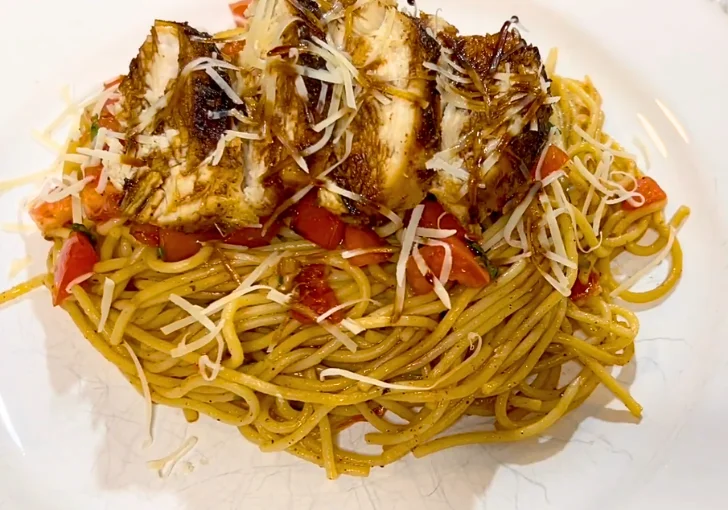
Arrange the sliced chicken over the bruschetta-topped pasta. Try to spread the chicken evenly across each serving so every bite has some of the seasoned chicken.
Step 14 | Drizzle With Balsamic Glaze
Drizzle the reduced balsamic glaze over the chicken and pasta. Start with a small amount and add more to taste. The glaze is concentrated, so a little goes a long way.
Step 15 | Finish and Serve
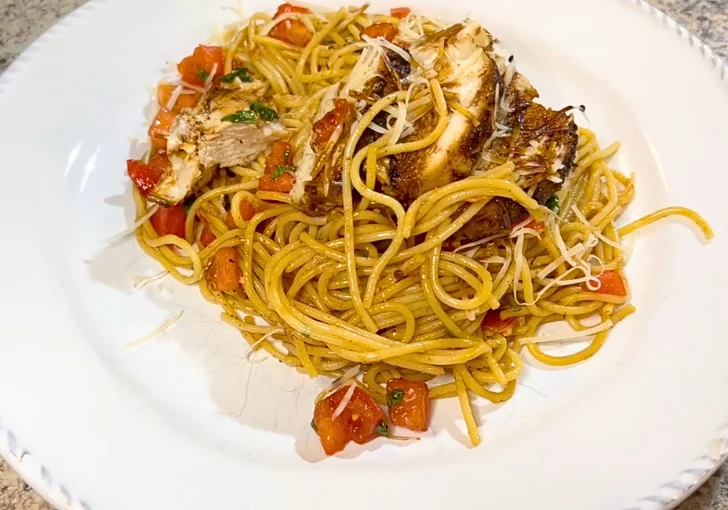
Sprinkle additional freshly shredded Parmesan over each serving and add a little extra fresh basil if desired. Serve the bruschetta chicken pasta warm, while the Parmesan pasta is creamy and the balsamic glaze is still glossy.
My Best Tips & Notes for Restaurant Style Bruschetta Chicken Pasta
- Salt the pasta water generously — it’s your only chance to season the noodles from the inside.
- Don’t skip resting the chicken before slicing, or you’ll lose all that juice on the cutting board.
- Watch the balsamic glaze closely near the end of reducing; it thickens fast in the last minute.
- Shred your own Parmesan for the smoothest, meltiest result.
- Keep some of the fresh bruschetta uncooked to spoon on at the end for that bright, fresh contrast.
Other Cooking Options You Can Try
Grill the chicken – Season the chicken as directed, then grill it over medium-high heat until the thickest part reaches 165°F. This adds a light smoky flavor that works especially well with the fresh tomatoes.
Use an air fryer – Season the chicken and lightly coat it with oil. Air fry at about 375°F until the center reaches 165°F, turning according to your air fryer’s directions. Rest before slicing.
Use a cast-iron skillet – A well-heated cast-iron skillet gives the chicken a deep golden crust. Just watch the heat so the butter and garlic don’t burn later.
Make it vegetarian – Leave out the chicken and increase the bruschetta topping. You can add sautéed mushrooms or roasted vegetables to make the pasta more substantial.
What To Serve With This TGI Fridays Bruschetta Chicken Pasta
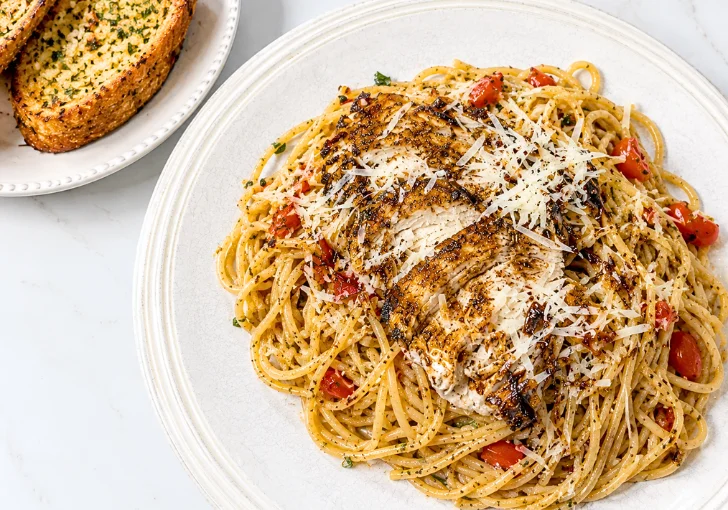
Garlic bread
A warm piece of garlic bread is perfect for scooping up the Parmesan-coated noodles and any balsamic glaze left on your plate. Keep it simple and crisp so it doesn’t compete with the fresh tomato topping.
Simple green salad
I like broccoli salad or a basic salad of crisp lettuce, cucumber, and a light vinaigrette beside this pasta. The fresh vegetables add crunch and keep the meal from feeling too heavy.
Roasted vegetables
Broccoli, asparagus, or zucchini make an easy side here. Roast them until the edges get lightly browned, then serve them alongside the pasta rather than mixing them into it.
Extra bruschetta
If you love fresh tomatoes, make a little extra and place it in a small bowl at the table. That way, everyone can add another spoonful without making the pasta soggy.
Store Leftovers, Freezing & Reheating Instructions
Store Leftovers
I recommend storing the pasta, chicken, and fresh bruschetta separately when possible. Place leftovers in airtight containers and refrigerate within 2 hours of cooking.
The cooked chicken and pasta are best used within 3–4 days. Keep the balsamic glaze in a sealed container in the refrigerator as well.
Freezing
The cooked chicken and Parmesan pasta can be frozen for about 2–3 months, although the pasta texture may be softer after thawing.
I don’t recommend freezing the fresh bruschetta because the tomatoes and basil will become watery and lose their fresh texture. Make a new tomato mixture when you’re ready to serve the leftovers.
Reheating
For the best texture, reheat the pasta and chicken gently in a skillet over medium-low heat with a small splash of water or olive oil.
Heat until steaming hot throughout. Add the fresh bruschetta only after reheating, then finish with balsamic glaze and Parmesan.
FAQs
Can I use fettuccine instead of thin spaghetti?
Yes. Fettuccine works very well and gives you wider noodles that hold onto the Parmesan and tomato mixture. Cook it just until al dente so it doesn’t become too soft when tossed in the skillet.
Can I use chicken thighs for this recipe?
Absolutely. Boneless, skinless chicken thighs work well and have a richer flavor. Cook them until they reach 165°F in the thickest part, then let them rest before slicing.
Can I make the bruschetta mixture ahead of time?
Yes. You can prepare it several hours ahead and refrigerate it. I like to let it sit for about 15–30 minutes before serving so the flavors come together, but don’t leave cut tomatoes at room temperature for extended periods.
Why did my balsamic glaze become too thick?
It was probably reduced a little too far. If it becomes overly thick after cooling, gently warm it and stir in a small splash of balsamic vinegar or water until it reaches a drizzleable consistency.
Can I use store-bought balsamic glaze?
Yes. If you have a good balsamic glaze on hand, you can use it instead of reducing the vinegar yourself. Start with a small drizzle because prepared glazes can vary in sweetness.
How do I keep the Parmesan from clumping?
Use freshly shredded Parmesan and add it while the pasta is warm but the heat is low. Toss continuously as you add the cheese. Very high heat can make the cheese melt unevenly.
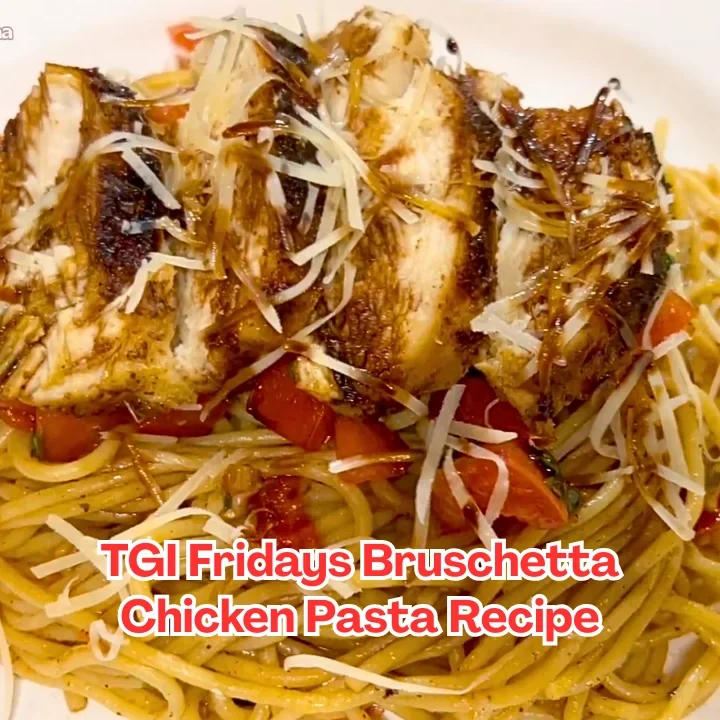
TGI Fridays Bruschetta Chicken Pasta Recipe (Must Have at Weekend)
I make this TGI Fridays Bruschetta Chicken Pasta Recipe on busy weeknights because it's ready in under 45 minutes and beats what the restaurant serves now. Juicy balsamic chicken, fresh Roma tomato bruschetta, and buttery Parmesan noodles come together in one skillet with basic pantry staples. It's a quick, easy, weeknight-friendly copycat worth repeating. Serve yours with warm garlic bread and a simple side salad for a full dinner.
Ingredients
For the Bruschetta
- 6 Roma tomatoes, diced
- 3 tablespoons olive oil
- 2 tablespoons balsamic vinegar
- ¼ cup fresh basil, finely chopped
- ½ teaspoon kosher salt
- ¼ teaspoon black pepper
For the Chicken
- 2 large boneless, skinless chicken breasts, about 1½ pounds total
- 1½ teaspoons Italian seasoning
- ½ teaspoon garlic powder
- ½ teaspoon onion powder
- ½ teaspoon kosher salt
- ¼ teaspoon black pepper
- 1 tablespoon olive oil
For Cooking the Chicken and Pasta
- 2 tablespoons butter
- 1 tablespoon olive oil
- 1 small shallot, finely chopped
- 3 garlic cloves, minced
- 1 pound thin spaghetti or fettuccine
- 1 tablespoon salt, for the pasta water
- 1 cup freshly shredded Parmesan cheese, plus extra for serving
For the Balsamic Glaze
- ½ cup balsamic vinegar
- ½ teaspoon granulated sugar
Homemade Italian Seasoning - If you don't have a premade Italian seasoning blend, use:
- ½ teaspoon dried parsley
- ½ teaspoon dried oregano
- ¼ teaspoon dried thyme
- ¼ teaspoon dried rosemary
- ¼ teaspoon garlic powder
- ¼ teaspoon onion powder
- ⅛ teaspoon red pepper flakes
Instructions
- Dice the Roma tomatoes into small, bite-size pieces and place them in a medium bowl. Add 3 tablespoons olive oil, 2 tablespoons balsamic vinegar, ¼ cup chopped fresh basil, ½ teaspoon kosher salt, and ¼ teaspoon black pepper. Stir gently until the tomatoes are evenly coated. Set the bowl aside so the tomatoes can sit while you prepare the rest of the dish.
- Bring a large pot of water to a boil and add 1 tablespoon salt. Add the thin spaghetti and cook according to the package directions until al dente. Stir the pasta occasionally so it cooks evenly. Once finished, drain the pasta well and set it aside.
- Pat the chicken breasts dry with paper towels. Season both sides evenly with 1½ teaspoons Italian seasoning, ½ teaspoon garlic powder, ½ teaspoon onion powder, ½ teaspoon kosher salt, and ¼ teaspoon black pepper. Drizzle 1 tablespoon olive oil over the chicken and rub the seasoning into both sides.
- Heat a large skillet over medium heat. Add 1 tablespoon olive oil and 2 tablespoons butter. Once the butter has melted and the pan is hot, place the chicken breasts in the skillet. Cook for about 5–7 minutes per side, depending on thickness, until the chicken is golden on the outside and reaches 165°F in the thickest part.
- Transfer the cooked chicken to a plate and loosely cover it with foil. If you need to keep it warm while finishing the pasta, place the covered chicken in a 200°F oven.
- Add ½ cup balsamic vinegar and ½ teaspoon sugar to a small saucepan. Bring it to a boil over medium-high heat, then reduce the heat slightly and let it simmer until the vinegar reduces to a thick, glossy glaze that coats the back of a spoon. This usually takes about 6–10 minutes. Remove from the heat and set aside.
- Return to the skillet used for the chicken. Add the chopped shallot and minced garlic to the remaining butter, oil, and chicken drippings. Cook over medium heat for about 3 minutes, stirring often, until the shallot becomes soft and the garlic is fragrant. If the skillet looks dry, add another tablespoon of olive oil.
- Add about 1 cup of the prepared tomato mixture to the skillet with the shallot and garlic. Stir gently and cook for about 1–2 minutes. Keep the remaining tomato mixture aside for layering over the finished pasta.
- Reduce the heat to low. Add the drained spaghetti to the skillet and toss until the noodles are evenly coated with the tomato, garlic, shallot, and pan juices. Keep tossing gently for about 1–2 minutes so the flavors work into the pasta without overcooking the tomatoes.
- Add 1 cup freshly shredded Parmesan cheese to the warm pasta. Toss until the cheese is evenly distributed and starts to melt into the noodles. Keep the heat on low or turn it to warm while you finish the chicken.
- Slice the cooked chicken breasts into thin strips or bite-size pieces. Cutting the chicken after it has rested helps keep the slices juicy instead of letting the juices run out immediately.
- Place a generous serving of the Parmesan pasta on each plate. Spoon the remaining fresh bruschetta tomato mixture over the top of the noodles.
- Arrange the sliced chicken over the bruschetta-topped pasta. Try to spread the chicken evenly across each serving so every bite has some of the seasoned chicken.
- Drizzle the reduced balsamic glaze over the chicken and pasta. Start with a small amount and add more to taste.
- Sprinkle additional freshly shredded Parmesan over each serving and add a little extra fresh basil if desired. Serve the bruschetta chicken pasta warm, while the Parmesan pasta is creamy and the balsamic glaze is still glossy.
Nutrition Information:
Serving Size: 1 generous plate of pasta with chicken and bruschettaAmount Per Serving: Calories: 720Total Fat: 29g
This TGI Fridays Bruschetta Chicken Pasta Recipe has become my pick when I’m craving that old TGI Fridays plate without heading out. The fresh tomatoes and basil keep the pasta from feeling too heavy, while the balsamic glaze brings everything together.
If you’re making this copycat TGI Fridays bruschetta chicken pasta, spoon plenty of bruschetta over your chicken pasta and finish with Parmesan before serving.